Keep Informed

Followers

saficoffee
GlobalFeedFood
megh2009
MuckBootCo
Sasafrass77
AeroFarms
getovergreta
openacademy_ph
followag
PermaElSalv
FarmerFrances
concordextra
CharlottesWebX
Crophugger
diningverse
dilipbayas
bordersweb
earth2you
MamaDeLaJuju
hcheaphomes
cam_beauty
dcmillar
koushiky
GrowSouthwark
EvocoWindEnergy
farmers_blog
SandyFarms
flavoredlayers
GHConstruction
ecotippingpoint
agroterra_uk
ActinKind
breadinstitute
soiltosky
DaisyPatchFarm
bpstapley
PureAotearoa
shuttleworthcol
precisionagnow
CupaKona
bhavasa
mitchbigelow
curiousjohn
ProTradeLiberal
Farm3rsDaught3r
ambassadorforag
SustainableAgEd
WNCAgOptions
WeedOutHunger
DJMadamMalixa
GerminationMag
CASTagScience
OpenFarmSunday
AgriMike
farmerfar55
NourishingCook
OhioCornGrowers
almondboard
foodsources
smalltownfarmer
jmfood
agbloke
TexasJim
kscorn
RevolutionFoods
Harvest2050
PerishablePundt
bikeloc
exponentpr
evankopelson
_EMRC_
johnjebb
OSUWasteManage
tarterequipment
camelliakelly
RealizedWorth
SLXToronto
SteveMelinda
tckarst
EDF_CA
danielaperalvo
Biowa
Ruralinnovation
ddimick
trailerdealers
OliverO7hms
WorkToTravelOz
Dahirkulane
TheADHDChef
Moreno_Firms
CostaCasaRural
HowellsBBC
jesshalliday
valleyviewfarm
smrtgro1
AaronBobeck
EastGrainTrader
ON_COM
Ken4Corn
ShawburyYFC
saficoffee
GlobalFeedFood
megh2009
followag
PermaElSalv
openacademy_ph
getovergreta
AeroFarms
Sasafrass77
MuckBootCo
concordextra
FarmerFrances
CharlottesWebX
Crophugger
earth2you
MamaDeLaJuju
bordersweb
dilipbayas
diningverse
hcheaphomes
cam_beauty
dcmillar
koushiky
GrowSouthwark
EvocoWindEnergy
GHConstruction
farmers_blog
flavoredlayers
ecotippingpoint
agroterra_uk
ActinKind
breadinstitute
soiltosky
DaisyPatchFarm
bpstapley
shuttleworthcol
PureAotearoa
precisionagnow
SandyFarms
CupaKona
mitchbigelow
bhavasa
curiousjohn
ProTradeLiberal
ambassadorforag
Farm3rsDaught3r
WeedOutHunger
WNCAgOptions
SustainableAgEd
DJMadamMalixa
OpenFarmSunday
GerminationMag
NourishingCook
AgriMike
farmerfar55
OhioCornGrowers
almondboard
CASTagScience
jmfood
foodsources
smalltownfarmer
agbloke
TexasJim
kscorn
Harvest2050
PerishablePundt
RevolutionFoods
tarterequipment
evankopelson
exponentpr
bikeloc
camelliakelly
johnjebb
_EMRC_
RealizedWorth
OSUWasteManage
SLXToronto
SteveMelinda
tckarst
EDF_CA
danielaperalvo
Biowa
trailerdealers
ddimick
OliverO7hms
WorkToTravelOz
Dahirkulane
TheADHDChef
HowellsBBC
Moreno_Firms
CostaCasaRural
jesshalliday
Ruralinnovation
valleyviewfarm
smrtgro1
AaronBobeck
Ken4Corn
ON_COM
EastGrainTrader
ShawburyYFC
saficoffee
GlobalFeedFood
megh2009
MuckBootCo
AeroFarms
Sasafrass77
getovergreta
openacademy_ph
PermaElSalv
followag
FarmerFrances
concordextra
CharlottesWebX
Crophugger
earth2you
MamaDeLaJuju

Latest News

  • Land Use Futures: Making the Most of Land in the 21st Century… read more
  • APPG: after #womensday, we need to make our voices heard to the #UN to make sure those of … read more
  • ATP and CropLife Africa Middle East hold workshops to increase farmers’ productivity… read more
  • #IFAD: to feed 9.1bn, need to focus energy on young farmers, inc. women, to make #ag a pro… read more
Back

Farming First calls on world leaders to apply its six principles in policy and practice:

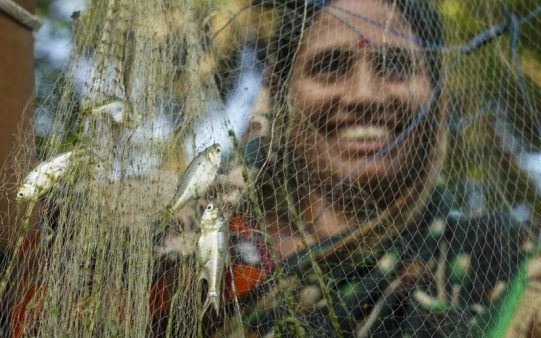
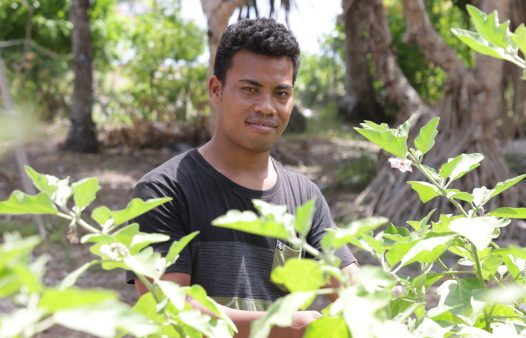
Farmers celebrating

  1. Safeguard natural resources
  2. Share knowledge
  3. Build local access and capacity
  4. Protect harvests
  5. Enable access to markets
  6. Prioritise research imperatives

- Explore these principles by clicking the green arrow to the right (or download the action plan).
- Read our climate change action plan, browse the blog or our case studies, follow us on Twitter
, or click the ‘Support us’ button above.

Share this content:
  • E-mail this story to a friend!
  • TwitThis
  • Digg
  • MySpace
  • Facebook
  • Google
  • del.icio.us
  • LinkedIn
  • Live
  • NewsVine
  • StumbleUpon

1. Safeguard natural resources

Land management should be improved through the widespread adoption of sustainable land use practices.

  • Use conservation agriculture to prevent soil erosion and land degradation
  • Manage watersheds and water use more efficiently
  • Protect wildlife habitat and biodiversity through an integrated ecosystems approach
  • Provide incentives for improving ecosystem services
  • Promote sound management of chemical substances

For example: Skylark births increased by 49% when small plots were left in UK fields for nesting. Read more here.

Share this content:
  • E-mail this story to a friend!
  • TwitThis
  • Digg
  • MySpace
  • Facebook
  • Google
  • del.icio.us
  • LinkedIn
  • Live
  • NewsVine
  • StumbleUpon
Preview - 1. Safeguard natural resources

2. Share knowledge

Existing agricultural knowledge should be spread in order to reach those farmers that could benefit most.

  • Increase the level of education on crop and natural resource management
  • Promote village-based knowledge centres and access to information on weather, crop and market alerts
  • Establish open two-way exchanges that capture the ‘voice of the farmer’

For example: Uganda’s FICOM project helps farmers access crop growing tips and market prices through a network of local ‘village phone centres’. Read more here.

Share this content:
  • E-mail this story to a friend!
  • TwitThis
  • Digg
  • MySpace
  • Facebook
  • Google
  • del.icio.us
  • LinkedIn
  • Live
  • NewsVine
  • StumbleUpon
Preview - 2. Share knowledge

3. Build local access and capacity

Making basic resources available to help farmers manage their production process more reliably and at less cost.

  • Secure access to land and water resources and microfinance services, especially for women farmers
  • Build and support infrastructure, such as roads and ports
  • Improve access to agricultural inputs and services and encourage local supply networks

For example: An Indian network of retail outlets for agricultural inputs and services is supported by agronomists and community organisers and run by local entrepreneurs. Read more here.

Share this content:
  • E-mail this story to a friend!
  • TwitThis
  • Digg
  • MySpace
  • Facebook
  • Google
  • del.icio.us
  • LinkedIn
  • Live
  • NewsVine
  • StumbleUpon
Preview - 3. Build local access and capacity

4. Protect harvests

In many of the poorest countries, 20-40% of crop yields are lost because of inadequate pre- and post-harvest support. Likewise, vast quantities of food are squandered during production and consumption phases of the food chain.

  • Build local storage facilities and transport links
  • Localise the application of agronomic knowledge
  • Educate on sustainable consumption and production
  • Help farmers manage weather and market risks

For example: A Malawi programme offers drought insurance contracts based on index-based weather patterns to protect groundnut farmers. Read more here.

Preview - 4. Protect harvests

5. Enable access to markets

Farmers need to be able to get their products to market and receive equitable price treatment when they do.

  • Provide remote access to up-to-date market prices
  • Develop transparent, fair markets with sound infrastructure and reduced speculation
  • Encourage co-operative marketing approaches and entrepreneurship training for smallholders
  • Reduce market distortions to improve global access

For example: The TradeNet programme helps small-scale farmers in Ghana sell their products more directly via the web and at full market prices. Read more here.

Share this content:
  • E-mail this story to a friend!
  • TwitThis
  • Digg
  • MySpace
  • Facebook
  • Google
  • del.icio.us
  • LinkedIn
  • Live
  • NewsVine
  • StumbleUpon
Preview - 5. Enable access to markets

6. Prioritise research imperatives

Research should prioritise locally relevant crops, stewardship techniques, and adaptation to climate change.

  • Conduct research on water, soil, post-harvest losses and climate change challenges and focus on crop varieties for the poorest and most vulnerable regions
  • Improve productivity through the responsible use of science and technology
  • Increase public-private collaboration and R&D investment

For example: Drought-resistant maize could produce crops with 25-30% more yield in moderate drought conditions. Read more here.

Share this content:
  • E-mail this story to a friend!
  • TwitThis
  • Digg
  • MySpace
  • Facebook
  • Google
  • del.icio.us
  • LinkedIn
  • Live
  • NewsVine
  • StumbleUpon
Preview - 6. Prioritise research imperatives

Forward