Case studies
Listed by region: Africa Latin America North America Asia-Pacific Europe
Key:
Climate change
Agricultural market access
Inputs/tools
Research
Education/training
Africa
“Weather Info for All” Programme Will Collect Meteorological Info in Africa
By Editor on June 19, 2009
A new partnership will launch 5000 new weather stations across Africa to help collect meteorological information on the continent. This information can then be used to predict and manage the impacts of climate change.
“Weather Info for All” is a partnership between the UN’s World Meteorological Organization, Columbia University’s Earth Institute, and telecommunicatons companies Sony Ericsson
Posted in Africa, Blog, Case Studies, Climate Change, Principle 2: Share knowledge, Principle 4: Protect harvests, Regions, Subjects | Tagged earth institute, principle2, principle4, sony ericsson, weather, zain | Leave a response
A Closer Look at Mozambique’s Agricultural Production System
By Editor on September 11, 2009
In Mozambique, differences in rainfall contribute to higher levels of poverty in drier areas.
Poverty levels in drier regions of the country range from 67 to 85 percent, said Professor Firmino Mucavele, Director for Academic Reform and Regional Integration at Eduardo Mondlane University in a presentation of his analysis of agriculture’s true contribution to the Mozambican
Posted in Africa, Case Studies, Principle 2: Share knowledge, Principle 3: Build local access and capacity, Principle 4: Protect harvests, Principle 5: Enable access to markets, Principle 6: Prioritise research imperatives, Regions, Research, Subjects | Tagged Africa, drought, maize, market access, mozambique, Mucavele, poverty, principle2, principle3, principle4, principle5, principle6, technology | Leave a response
Agriculture and Enterprise Skills for Women Smallholder Farmers
By Editor on May 12, 2010
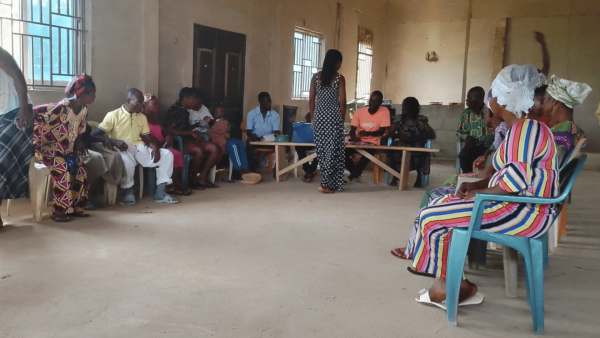
Women play a vital, but often ignored, role in addressing hunger. Whilst a large proportion of farmers in the developing world are female, many lack voice and organisation. To boost women smallholders’ productivity and reduce their vulnerability to various challenges, women need to be able to access and apply appropriate training for rural livelihoods.
A recent project
Posted in Africa, Asia-Pacific, Blog, Case Studies, Education & Training, Principle 2: Share knowledge, Principle 3: Build local access and capacity, Principle 5: Enable access to markets, Principle 6: Prioritise research imperatives, Regions, Subjects | Tagged CSD, Ghana, India, Training for Rural Development, women farmers | Leave a response
ATP and CropLife Africa Middle East hold workshops to increase farmers’ productivity in West Africa
By Editor on March 3, 2010
In West Africa, a history of deficiencies in maize production is being addressed by a series of workshops to educate farmers on sustainable crop and natural resource management.
A partnership between the USAID-funded Agribusiness and Trade Promotion (ATP) project and CropLife Africa Middle East was set up last year to help farmers in the West African
Posted in Africa, Blog, Case Studies, Education & Training, News, Principle 1: Safeguard natural resources, Principle 2: Share knowledge, Principle 3: Build local access and capacity, Principle 4: Protect harvests, Principle 6: Prioritise research imperatives, Regions, Subjects | Tagged ATP, CropLife Africa Middle East, integrated pest management, IPM, markets, sustainable, trade, USAID, West Africa, workshops | Leave a response
Building Roads in Africa, Helping Farmers Access Markets
By Editor on April 4, 2009
Poor infrastructure impedes access to resources and markets.
For example, in Africa, less than 50% of the rural population lives close to a four-seasons road. Transport can cost often constitute 50-60% of marketing costs in these situations.
The World Bank estimates that in India, fruit and vegetable post harvest losses amount to 40% of total production, or
Posted in Africa, Case Studies, Market Access, Principle 3: Build local access and capacity, Regions, Subjects | Tagged Africa, fertilizers, fruit, infrastructure, market access, principle3, UK, vegetables | Leave a response
Challenge Fund to Accelerate Pro-Poor Growth in Africa
By Editor on June 4, 2010
As part of GCARD 2010, Farming First hosted a session entitled ‘Better Benefiting the Poor through Public-Private Partnerships for Innovation and Action.’ Within the discussions, our panel of experts addressed several case studies that present different ways that partnerships have helped to empower smallholder farmers around the world.
Gavin Onley
The Africa Enterprise Challenge Fund (AECF)
Posted in Africa, Blog, Case Studies, Principle 3: Build local access and capacity, Principle 6: Prioritise research imperatives, Regions, Research, Subjects | Tagged AECF, Africa, AGRA, Challenge Fund, GCARD, RIB | Leave a response
Climate Change Mitigation Strategies in Gabon Help to Preserve National Crop
By Editor on April 30, 2010
Gabon is known for its forest that covers 85% of the country, or 22 million hectares. Only 5% of the land is used for agriculture, and subsistence farming dominates the sector. The principle crop grown by the farmers is manioc, or cassava root, which is an essential source of iron and vitamins for the population.
Posted in Africa, Blog, Case Studies, Climate Change, Principle 1: Safeguard natural resources, Principle 2: Share knowledge, Principle 6: Prioritise research imperatives, Regions, Subjects | Tagged Africa, agriculture, agroforestry, cassava, climate change, Gabon, IFAP, manioc | Leave a response
Creative Milk Business Fights Poverty, Links Rural and Urban Economies
By Editor on April 2, 2009
With its high-quality milk, Nairobi-based Brookside Dairy has a 40 per cent share of the Kenyan dairy market. Seven per cent of its 80,000 suppliers are commercial farmers and the remainder are small-scale producers.
The widespread lack of refrigeration facilities means that Brookside employs an army of delivery personnel, including more than 1,000 “bicycle boys” in
Posted in Africa, Case Studies, Market Access, Principle 2: Share knowledge, Regions, Subjects | Tagged Brookside Dairy, daiy, education, health, infrastructure, Kenya, milk, networking, poverty, principle2, rural, training, urban | Leave a response
DfID Funds Infrastructure, ‘Best Bets’ for Agriculture in Africa
By Editor on July 21, 2009
The UK’s Department for International Development (DfID) has recently launched its new report, entitled “Eliminating World Poverty: Building our Common Future.”
Two implicit dimensions are rreflected in this report’s title. Firstly, the world already has many good solutions for reducing world hunger, but they simply need to be scaled up and funded in order to work
Posted in Africa, Case Studies, Principle 1: Safeguard natural resources, Principle 3: Build local access and capacity, Principle 5: Enable access to markets, Principle 6: Prioritise research imperatives, Regions, Research, Subjects | Tagged Africa, biotechnology, climate change, DfID, drought, infrastructure, principle1, principle3, principle5, principle6 | 1 Response
Dial “A” for Agricultural Markets in Africa
By Editor on March 29, 2009
The West Africa AgriTrade Network provides information on the latest available prices from selected agricultural markets, buy and sell, news, contacts and other information required for commercial decision-making in all 15 member countries of the Economic Community of West African States.
Farmers can receive all this information via text message on their mobile phones.
For example, the
Posted in Africa, Case Studies, Inputs & Tools, Principle 5: Enable access to markets, Regions, Subjects | Tagged Africa, AgriTrade Network, Burkina Faso, fish, fruit, Kenya, market access, mobile phones, principle5, rural, Safaricom, Senegal, vegetables | Leave a response
Drought Insurance Programme Reduces Risks for Malawi Smallholder Farmers
By Editor on March 25, 2009
An innovative programme launched in 2005 for groundnut farmers in Malawi helps farmers to obtain certified seeds, which produce increased yields and revenues as well as greater resistance to disease.
In addition, the National Smallholder Farmers’ Association of Malawi, in conjunction with the Insurance Association of Malawi and with technical assistance from the World Bank and
Posted in Africa, Case Studies, Climate Change, Principle 4: Protect harvests, Regions, Subjects | Tagged Africa, drought, groundnuts, India, insurance, Malawi, principle4, World Bank | 1 Response
Drought-Tolerant Maize
By Editor on March 23, 2009
Drought tolerant crops, such as maize, are better able to withstand drops in water supply and are currently expected to be available within 4-5 years.
The biotechnology industry has been working in partnership with other organisations to ensure stress tolerance traits also reach farmers in developing countries.
For example, Monsanto is partnering with the African Agricultural Technology
Posted in Africa, Case Studies, Climate Change, Principle 6: Prioritise research imperatives, Regions, Research, Subjects | Tagged Africa, biotechnology, drought, maize, principle6, water | Leave a response
Empowering African Cooperatives to Access Markets
By Editor on March 25, 2009
TradeNet, a Ghana-based trading platform allows users to sign up for SMS alerts for commodities and markets of their choice and receive instant alerts for offers to buy or sell as soon as anyone else on the network has submitted an offer on their mobile phone.
Users can also request and receive real-time prices for more
Posted in Africa, Case Studies, Market Access, Principle 5: Enable access to markets, Regions, Subjects | Tagged Africa, Burkina Faso, Ghana, Mali, market access, Nigeria, onions, potatoes, principle5, tomatoes, TradeNet | 2 Responses
Farmer Workshops in Ghana to Fight Forest & Land Degradation
By Editor on July 26, 2010
The wealth of Ghana’s natural resources plays a significant role in its economy through farming, fishing, forestry and mining. However, a history of overexploitation and mismanagement of these resources combined with lack of environmental information undermines the sustainable development of the country.
Estimates put the costs of environmental degradation in Ghana at nearly 10 per cent
Posted in Africa, Blog, Case Studies, Climate Change, Regions, Subjects | Tagged FONG, Ghana, IFAP, tree planting campaign | Leave a response
From Gold to Golden Harvests: Agricultural Enterprise in Kenya
By Editor on September 6, 2010
Former workers in an old mining district in Kenya are being given agricultural skills to farm abandoned mining land and improve their livelihoods.
The Migori District in Kenya used to have a thriving mining industry but in 1966, companies packed up, leaving behind a lot of abandoned land and a lot of unemployed miners. Whilst the
Posted in Africa, Blog, Case Studies, Education & Training, Regions, Subjects | Tagged agricultural skills, improving livelihoods, sustainable agriculture | 1 Response
Improving Nutrition through Fortified Staple Crops
By Editor on March 28, 2009
Pioneer Hi-Bred, a biotechnology company, has partnered with Africa Harvest to form the Africa Biofortified Sorghum (ABS) Project, an initiative that works to improve the nutritional value of sorghum to help address widespread malnutrition.
Pioneer donated initial technologies valued at $4.8 million to help with the project and additional funding has been provided by a grant
Posted in Africa, Case Studies, Inputs & Tools, Principle 6: Prioritise research imperatives, Regions, Subjects | Tagged Africa, biotechnology, principle6, sorghum | Leave a response
Improving Yields in Zambia through Conservation Agriculture
By Editor on April 6, 2009
In many countries where soil has been degraded or where farmers face difficult conditions, conservation agriculture has also been shown to improve yields through improved soil quality.
For example, in Zambia, a sample of 125 hand-hoe farmers using conservation farming in areas where land had been degraded was found to produce 1.5 tonnes more maize and
Posted in Africa, Case Studies, Principle 4: Protect harvests, Regions, Research, Subjects | Tagged conservation agriculture, cotton, maize, principle4, soil, yields, Zambia | Leave a response
Innovative Social Enterprise Helps Farmers Use their Bicycles to Grind Grains, Charge Batteries
By Editor on August 10, 2009
Global Cycle Solutions (GCS) is a social enterprise started at the Massachusetts Institute of Technology in the US to develop and commercialize innovative, pedal-powered devices for villagers around the world, ranging from agricultural processing tools to green battery charging. GCS targets the world’s 550 million small-scale farmers living on less than $1/day.
Its first products are
Posted in Africa, Case Studies, Inputs & Tools, Principle 2: Share knowledge, Principle 3: Build local access and capacity, Principle 6: Prioritise research imperatives, Regions, Subjects | Tagged Africa, principle2, principle3, principle6, Tanzania | 5 Responses
Investing in Underutilised Crops to Achieve Food Security
By Editor on May 31, 2010
As part of GCARD 2010, Farming First hosted a session entitled ‘Better Benefiting the Poor through Public-Private Partnerships for Innovation and Action.’ Within the discussions, our panel of experts addressed several case studies that present different ways that partnerships have helped to empower smallholder farmers around the world.
Michael Hermann – Crops for the Future
The need
Posted in Africa, Blog, Case Studies, Principle 1: Safeguard natural resources, Principle 3: Build local access and capacity, Principle 4: Protect harvests, Principle 5: Enable access to markets, Regions, Research, Subjects | Tagged Crops for the Future, Michael Hermann, NUS, PPPs, underutilized crops | 1 Response
Linking Community Theatre and Rural Development for Women
By Editor on September 13, 2009
Take your seats: the curtain has risen on a fresh strategy to link small farmers and policy-makers across Southern Africa. Theatre has been chosen as the means to explain agricultural policy to people in rural areas, and carry voices from the countryside back to the seats of power.
The Women Accessing Re-aligned Markets (WARM) programme will be
Posted in Africa, Case Studies, Education & Training, Principle 2: Share knowledge, Principle 3: Build local access and capacity, Principle 5: Enable access to markets, Regions, Subjects | Leave a response
Meeting the Grade: The Case of Groundnuts in Malawi
By Editor on July 30, 2010
Work has been taking place in Malawi to enable farmers’ to achieve the grades and standards required to take part in broader markets. Whilst a lack of technical and financial capacities is often the greatest hindrance to meeting these targets, which cover food safety, quality, social and environmental standards, the ever-changing nature of the standards
Posted in Africa, Blog, Case Studies, Market Access, Regions, Subjects | Tagged alfatoxin, groundnuts, ICRISAT, Malawi, MALs, NASFAM, World Bank | Leave a response
Mobile Phones Help Ugandan Farmers Prevent Banana Disease, Spread Best Practice
By Editor on October 7, 2009
The market for mobile phones is growing more quickly in Africa than anywhere else in the world. Because of a lack of vital telecommunications infrastructure, mobile phone technology is often the only means of communication for farmers working in rural areas of Africa (although new underwater broadband cables are changing this – read here).
According to
Posted in Africa, Case Studies, Inputs & Tools, Principle 2: Share knowledge, Regions, Subjects | 1 Response
Mozambican Farming Cooperative for Women Shares Knowledge, Builds Local Access and Capacity
By Editor on September 19, 2009
In the past, Celina Cossa would queue for days and even nights just to get the chance to buy a bag of maize to feed her two children, her husband, and herself. She was one of thousands of Mozambican women finding it difficult to feed her family in a country that was newly independent from
Posted in Africa, Case Studies, Education & Training, Principle 2: Share knowledge, Principle 3: Build local access and capacity, Regions, Subjects | Tagged Africa, maputo, market access, mozambique, principle2, principle3, women | 2 Responses
New Cowpea Varietal Helps African Farmers Increase Profits by 55%
By Editor on March 25, 2009
The IITA recently announced that cowpea farmers in sub-Saharan Africa have seen their profits increase by 55% due to new advances in cowpea varietals. This new research has helped improve the returns per hectare which farmers enjoyed when paired with proper crop management.
The cowpea is an important source of protein for farmers in sub-Saharan Africa,
Posted in Africa, Case Studies, News, Regions, Research, Subjects | Tagged Africa, Asia, biotechnology, cowpea, IITA, principle2, principle6 | Leave a response
New Fertilizer Method Uses Technology to Improve Efficiency, Lessen Impacts
By Editor on June 29, 2009
Across Asia, millions of rice farmers depend on urea fertilizer to meet the nitrogen needs of the continent’s primary crop. Many farmers still spread urea into floodwaters to fertilize rice. This is highly inefficient – about two-thirds of the fertilizer is lost as greenhouse gas or becomes a groundwater pollutant.
Urea deep placement (UDP) is a
Posted in Africa, Asia-Pacific, Case Studies, Inputs & Tools, News, Principle 3: Build local access and capacity, Principle 6: Prioritise research imperatives, Regions, Subjects | Tagged Africa, Asia, fertilizers, food security, ifdc, principle3, principle6 | 4 Responses
Producing Bioactive Nettings to Protect Crops Againsts Pests
By Editor on June 24, 2010
As part of GCARD 2010, Farming First hosted a session entitled ‘Better Benefiting the Poor through Public-Private Partnerships for Innovation and Action.’ Within the discussions, our panel of experts addressed several case studies that present different ways that partnerships have helped to empower smallholder farmers around the world.
Anuj Shah – A to Z Textile
Posted in Africa, Blog, Case Studies, Principle 2: Share knowledge, Principle 3: Build local access and capacity, Principle 4: Protect harvests, Principle 6: Prioritise research imperatives, Regions, Research, Subjects | Tagged CIRAD, GCARD, IRD, Olyset net, Sumitomo, WHO | Leave a response
Promoting Agricultural Growth Corridors in Africa
By Editor on June 8, 2009
Africa is the only region in the world where hunger is worsening and per capita food production has stagnated over the last three decades. All research has clearly pointed out the necessity to invest in infrastructure building to unleash Africa’s agricultural potential, as highlighted in Principle 3 of the Farming First plan.
Traditionally, the public sector
Posted in Africa, Case Studies, News, Principle 3: Build local access and capacity, Regions, Research | Tagged Africa, fertilizers, infrastructure, market access, principle3 | 2 Responses
Providing Solutions to Climate Change in Madagascar
By Editor on August 27, 2010
Madagascar is a country rich in biodiversity, but deforestation, land degradation and the effects of climate change are ravaging the nation’s natural resources. It is estimated that 20% of the island is already affected by desertification.
Eighty-five percent of the Malagasy population practice subsistence farming. More than eighty percent of the population survives on less than
Posted in Africa, Blog, Case Studies, Climate Change, Regions, Subjects | Tagged climate change, IFAP, Madagascar, PANA | Leave a response
Public-Private Partnership to Improve Maize Yields in Africa
By Editor on May 10, 2010
The Improved Maize for African Soils Project (IMAS) has been set up to improve African farmers’ access to maize varieties that are better adapted at capturing fertilizer. By developing new varieties that are more efficient in nitrogen uptake, the project hopes to develop maize crops that have a 30-50% yield improvement over existing varieties.
Launched recently
Posted in Africa, Blog, Case Studies, Principle 2: Share knowledge, Principle 3: Build local access and capacity, Principle 6: Prioritise research imperatives, Regions, Research, Subjects | Tagged Bill & Melinda Gates Foundation, CIMMYT, fertilizer, food security, IMAS, Improved Maize for African Soils, USAID | Leave a response
Recycling Agricultural Waste in Uganda to Produce Energy
By Editor on April 14, 2010
The basic source of fuel in Uganda is wood in the form of charcoal or firewood, which over 90% of the population relies on for heating and cooking. This dependence on traditional charcoal and firewood is responsible for the prevailing deforestation and soil degradation, the effects of which have manifested in irregular rainfall, floods and
Posted in Africa, Blog, Case Studies, Climate Change, Principle 1: Safeguard natural resources, Regions, Subjects | Tagged agricultural waste, charcoal, charcoal briquettes, deforestation, energy, floods, fuel, soil degradation, Uganda | Leave a response
Serving Malawi Farmers by Reducing Credit Risks for Agrodealers
By Editor on April 2, 2009
CNFA established credit insurance in 2001 in Malawi to guarantee repayment of half of the money borrowed by agricultural input retailers to stock their shops.
This greatly expanded the number of rural distributors and decreased the distances farmers travelled to obtain inputs, sometimes quite dramatically, resulting in savings in both time and travel costs.
By 2005, retailers
Posted in Africa, Case Studies, Market Access, Principle 3: Build local access and capacity, Regions, Subjects | Tagged CNFA, credit, fertilizers, food crisis, inputs, Malawi, principle3, public-private partnership, risk, rural | Leave a response
Soil Degradation in the Seychelles
By Editor on August 6, 2010
The main threat the Seychelles islands face is desertification and further soil degradation during heavy rainfall. As a small and yet geographically diverse island, the Seychelles consists of many extremely vulnerable ecosystems. Climate change has led to coastal erosion, flooding and more frequent and intense tropical storms, which has resulted in a shortage of arable
Posted in Africa, Blog, Case Studies, Climate Change, Regions, Subjects | Tagged climate change, IFAP, IPM, Seychelles | Leave a response
Strengthening the Supply of Seed to Small and Medium Entreprises
By Editor on June 22, 2010
As part of GCARD 2010, Farming First hosted a session entitled ‘Better Benefiting the Poor through Public-Private Partnerships for Innovation and Action.’ Within the discussions, our panel of experts addressed several case studies that present different ways that partnerships have helped to empower smallholder farmers around the world.
Lucy Muchoki – Pan-African Agribusiness Consortium
The Africa Seed
Posted in Africa, Blog, Case Studies, Inputs & Tools, Principle 3: Build local access and capacity, Principle 5: Enable access to markets, Regions, Subjects | Tagged AAC, Africa Seed Investment Fund, AGRA, Lucy Muchoki, Pan-African Business Consortium | Leave a response
Supporting Farmers’ Organisations in Kenya to Empower Smallholder Farmers
By Editor on May 18, 2010
As part of GCARD 2010, Farming First hosted a session entitled ‘Better Benefiting the Poor through Public-Private Partnerships for Innovation and Action.’ Within the discussions, our panel of experts addressed several case studies that present different ways that partnerships have helped to empower smallholder farmers around the world.
Edward Kateyia – IFAP/Kenya National Federation of Agricultural
Posted in Africa, Blog, Case Studies, Education & Training, Principle 2: Share knowledge, Principle 3: Build local access and capacity, Principle 6: Prioritise research imperatives, Regions, Subjects | Tagged Agricord, ECART, Edward Kateyia, ESFIM, GCARD, ifad, IFAP, Kenya | 1 Response
Supporting Smallholder Cassava Farmers in Nigeria
By Editor on June 14, 2010
As part of GCARD 2010, Farming First hosted a session entitled ‘Better Benefiting the Poor through Public-Private Partnerships for Innovation and Action.’ Within the discussions, our panel of experts addressed several case studies that present different ways that partnerships have helped to empower smallholder farmers around the world.
Scott Mall – International Fertilizer Development Center
Posted in Africa, Blog, Case Studies, Market Access, Principle 3: Build local access and capacity, Principle 5: Enable access to markets, Regions, Subjects | Tagged cassava, Cassava Plus, DADTCO, GCARD, ifdc, Nigeria | Leave a response
Syngenta and CIMMYT Partner to Help Farmers Combat Crop Losses
By Editor on June 7, 2010
As part of GCARD 2010, Farming First hosted a session entitled ‘Better Benefiting the Poor through Public-Private Partnerships for Innovation and Action.’ Within the discussions, our panel of experts addressed several case studies that present different ways that partnerships have helped to empower smallholder farmers around the world.
Marco Ferroni – Syngenta Foundation for Sustainable
Posted in Africa, Blog, Case Studies, Principle 2: Share knowledge, Principle 3: Build local access and capacity, Principle 4: Protect harvests, Regions, Research, Subjects | Tagged Africa, Asia, CIMMYT, GCARD, maize, syngenta, Syngenta Foundation for Sustainable Agriculture, wheat | Leave a response
The Aloe Vera Value-Added Project in Kenya
By Editor on August 4, 2010
The effects of climate change in Kenya are being felt in terms of frequent droughts, floods, land and environmental degradation as well as a general rise in temperatures. These impacts inflict serious losses to smallholder farmers due to crop damage from floods and crop failure in times of drought.
The Aloe Vera Value-added project was first
Posted in Africa, Blog, Case Studies, Climate Change, Regions, Subjects | Leave a response
The Beira Agricultural Growth Corridor Project
By Editor on April 28, 2010
Launched in early 2009 at the World Economic Forum, the Beira Agricultural Growth Corridor is a project based in Mozambique that seeks to stimulate a major increase in agricultural production in an area whose growth potential has not yet been realised. The Beira Corridor has 10 million hectares of arable land with good soils, good
Posted in Africa, Blog, Case Studies, Market Access, News, Principle 1: Safeguard natural resources, Principle 2: Share knowledge, Principle 3: Build local access and capacity, Principle 5: Enable access to markets, Regions, Subjects | Tagged Africa, Beira Corridor, commercial agriculture, food security, mozambique, WEF, World Economic Forum, Yara | Leave a response
Ugandan Case Study Looks at how to Reduce Farmers’ Manual Labour Costs
By Editor on April 6, 2009
A case study done in Uganda found that weeding absorbed over 50% of smallholder farmers’ production costs.
It also occurs at times when the demand for labour is quite high and needed for many farm activities.
Crop protection products such as herbicides and the adoption of best practices can help reduce this burden.
In the Ugandan case study,
Posted in Africa, Case Studies, Principle 6: Prioritise research imperatives, Regions, Research, Subjects | Tagged best practice, crop protection, no till, principle6, Uganda | Leave a response
Ugandan Farmers Getting Tips on Market Prices and Activity
By Editor on March 24, 2009
FICOM, the Farmers Information Communication project in Uganda is helping farmers access information on market prices and activity.
Important tips on growing crops are relayed from the Uganda National Farmers Federation headquarters to district level offices, and then to 24 ‘village phone centres’, in which each farmers’ group owns a mobile phone.
The farmers also send and
Posted in Africa, Case Studies, Market Access, Principle 2: Share knowledge, Regions, Subjects | Tagged FICOM, maize, principle2, rice, Uganda, village phones | 1 Response
Using Supply Chain Partnerships to Support Agriculture in Africa
By Editor on April 13, 2009
Unilever has been an active proponent of schemes to broaden the supply-base and support local livelihoods, particularly in its tea and palm-oil estates.
Allanblackia plant
Lipton/Unilever Tea has a partnership with Rainforest Alliance on sustainability certification. Another partnership with Tanzania Forest Conservation Group, Ministry of Natural Resources, World Agroforestry Centre and the World Conservation Union also promotes
Posted in Africa, Case Studies, Market Access, Principle 5: Enable access to markets, Regions, Subjects | Tagged allanblackia, lipton, ministry of natural resources, principle5, public-private partnership, rainforest alliance, resource constraints, tanzania forest conservation group, tea, unilever, world agroforestry centre, world conservation union | Leave a response
Latin America
Creating Rural Wealth for Chilean Farmers Through Vegetable Seed Production Training
By Editor on May 14, 2010
As part of GCARD 2010, Farming First hosted a session entitled ‘Better Benefiting the Poor through Public-Private Partnerships for Innovation and Action.’ Within the discussions, our panel of experts addressed several case studies that present different ways that partnerships have helped to empower smallholder farmers around the world.
Dr. Claudio Barriga – Agronegocios Lantinoamericanos Chile Ltda
The
Posted in Blog, Case Studies, Education & Training, Latin America, Regions, Subjects | Tagged Agronegocios Latinoamericanos, Chile, Claudio Barriaga, GCARD, seed industry | Leave a response
Promoting No Till Farming Amongst Farmers in the Mercosul Region
By Editor on June 9, 2010
As part of GCARD 2010, Farming First hosted a session entitled ‘Better Benefiting the Poor through Public-Private Partnerships for Innovation and Action.’ Within the discussions, our panel of experts addressed several case studies that present different ways that partnerships have helped to empower smallholder farmers around the world.
Ivo Mello – Confederacion de Asociaciones de
Posted in Blog, Case Studies, Education & Training, Latin America, Principle 1: Safeguard natural resources, Principle 2: Share knowledge, Principle 3: Build local access and capacity, Regions, Subjects | Tagged CAAPAS, GCARD, Ivo Mello, Mercosul, no till farming | Leave a response
Public-Private Partnership Creates Model Farm and Agricultural Resource Centre for Trinidadian Farmers
By Editor on May 16, 2009
The fertilizer company, PotashCorp (PCS) teamed up with the government of Trinidad and Tobago, where their largest ammonia-based fertilizer production facility is located, to build a demonstration farm and research centre. The PCS Model Farm and Agricultural Resource Centre is a 75-acre educational and demonstration farm designed to help teach Trinidadian farmers, extension workers, and
Posted in Case Studies, Education & Training, Latin America, Principle 2: Share knowledge, Regions, Subjects | Tagged fertilizers, knowledge, public-private partnership | Leave a response
Supporting Rural Development in Guatemala
By admin on November 12, 2009
In the Cuchumatanes Highlands in Guatemala, The International Fund for Agricultural Development (IFAD) has been supporting a rural community development project.
The project aims to improve the livelihoods of 22,000 families with incomes below the poverty line. A needs analysis demonstrated that one of the problems in the area was poor handling and application of crop
Posted in Case Studies, Education & Training, Latin America, News, Principle 2: Share knowledge, Principle 3: Build local access and capacity, Regions, Subjects | Tagged food security, infrastructure, market access, principle2, principle3, public-private partnership, resource constraints, rural | 1 Response
North America
Improving Biofuels: Sugar Beets that Produce as Much as Sugar Cane in Half the Time
By Editor on April 3, 2009
To reduce competition between food and fuel and improve the lives of current and future generations, the production of biofuels needs to be made more efficient and sustainable.
Syngenta has developed tropical sugar beet (TSB) varieties that can yield the same quantity of sugar (or alcohol or ethanol) per land unit as sugar cane in half
Posted in Case Studies, North America, Principle 6: Prioritise research imperatives, Regions, Research, Subjects | Tagged biofuel, principle6, sugar, sugar cane, syngenta, tropical sugar beet | Leave a response
Interactive Map Celebrates Agriculture’s Success Stories Across the World
By Editor on October 20, 2009
The International Food Policy Research Institute (IFPRI) has just launched an interactive world map highlighting some of the many success stories in agricultural development from around the world. It is part of a wider upcoming launch of their newest publication, Millions Fed: Proven Successes in Agricultural Development, which will be released on 12 November.
The interactive
Posted in Case Studies, North America, Principle 2: Share knowledge, Principle 3: Build local access and capacity, Principle 4: Protect harvests, Principle 6: Prioritise research imperatives, Regions, Research, Subjects | Tagged Argentina, Asia, Case Studies, Ghana, IFPRI, Nigeria, principle2, principle3, principle4, principle6, R&D | Leave a response
New ‘Fieldprint’ Calculator Helps U.S. Farmers Measure Sustainability Performance
By Editor on October 21, 2009
A new ‘fieldprint’ calculator introduced by Field to Market: The Keystone Alliance for Sustainable Agriculture helps farmers in the U.S. to assess how some of their operational decisions affect their sustainability performances.
The tool can be applied to a variety of crops, including corn (maize), cotton, soybeans, and wheat. It helps farmers to assess their land
Posted in Case Studies, News, North America, Principle 2: Share knowledge, Regions, Research, Subjects | Leave a response
US Crop Advisor Scheme Holds Promise for Agricultural Production in Developing Countries
By Editor on July 5, 2010
Voluntary training and certification programs for ‘crop advisors’ may provide an effective way to promote growth in agricultural output and efficiency in the developing world. Trained crop advisors work with farmers personally and at local levels to train growers in best practices and provide expert advice on matters ranging from seed selection, nutrition, and pest-control
Posted in Blog, Education & Training, North America, Principle 2: Share knowledge | Tagged American Society of Agronomy, ASA, CCA, Certified Crop Advisor, Soil Science Society of America | Leave a response
Asia-Pacific
‘e-Choupal’ Internet Kiosks Brings Market Information to Village Farmers
By Editor on April 7, 2009
To overcome low literacy rates and limited connectivity, some projects provide “mediated access” through kiosks.
For instance, through its e-Choupal kiosks, agri-exporter ITC Limited in India works with independent small farmers.
Village internet kiosks managed by farmers themselves, enable the agricultural community access to information in their local language on the weather & market prices, disseminate knowledge
Posted in Asia-Pacific, Case Studies, Market Access, Principle 5: Enable access to markets, Regions, Subjects | Tagged e-choupal, India, market access, principle5 | Leave a response
‘Waterproof Rice’ Could Help Prevent Losses from Flooding
By Editor on April 1, 2009
Losses to crops can also come from excess water rather than drought or damage from pests.
In areas prone to flooding, the development of ‘waterproof rice’ could make a dramatic difference.
Scientist at IRRI have identified a gene which allows rice plants to withstand be submerged for two weeks without damage. The gene has already been transferred
Posted in Asia-Pacific, Case Studies, Principle 4: Protect harvests, Regions, Research, Subjects | Tagged Bangladesh, drought, flood, principle4, rice, water | Leave a response
Accessing Micro-credit in India
By Editor on April 12, 2009
Improving access to credit is essential to allow farmers to invest and grow. The Grameen Foundation is one of the leader in the field of microfinance and its loans are changing women’s lives.
For example, in India, Ellevva and her husband, Durgiah, live in a small, one room house made of mud and sticks. Before taking
Posted in Asia-Pacific, Case Studies, Inputs & Tools, Principle 3: Build local access and capacity, Regions, Subjects | Tagged grameen foundation, India, microcredit, microfinance, principle3, women | Leave a response
Agriculture and Enterprise Skills for Women Smallholder Farmers
By Editor on May 12, 2010
Women play a vital, but often ignored, role in addressing hunger. Whilst a large proportion of farmers in the developing world are female, many lack voice and organisation. To boost women smallholders’ productivity and reduce their vulnerability to various challenges, women need to be able to access and apply appropriate training for rural livelihoods.
A recent project
Posted in Africa, Asia-Pacific, Blog, Case Studies, Education & Training, Principle 2: Share knowledge, Principle 3: Build local access and capacity, Principle 5: Enable access to markets, Principle 6: Prioritise research imperatives, Regions, Subjects | Tagged CSD, Ghana, India, Training for Rural Development, women farmers | Leave a response
Climate Change Risks and Food Security in Bangladesh
By Editor on July 13, 2010
In the last two decades, an ever-increasing frequency of floods, droughts and cyclones have caused extensive economic damage and have impaired livelihoods in Bangladesh. Agriculture, a key economic sector accounting for nearly 20 per cent of GDP and 65 per cent of the labour force, is greatly at risk. Adapting to and mitigating the effects
Posted in Asia-Pacific, Blog, Case Studies, Climate Change, Regions, Subjects | Tagged Bangladesh, climate change, Earthscan, GDP, World Bank | Leave a response
Drip Irrigation Helps Farmers in Bangladesh Grow Crops in Salt-affected Soil during Dry Season
By Editor on October 11, 2009
March and April are the driest months in Bangladesh. During this time, up to 880,000 hectares of land is left fallow because of the intrusion of saltwater into the soil.
Bangladesh is benefiting from new research into how to make this land productive during the dry season. Using simple drip irrigation technology on raised planting beds,
Posted in Asia-Pacific, Case Studies, Principle 2: Share knowledge, Principle 4: Protect harvests, Principle 6: Prioritise research imperatives, Regions, Research, Subjects | Tagged Bangladesh, principle2, principle3, principle4, principle6 | 4 Responses
Early Mustard Seed Harvests Protect Indian Crops
By Editor on April 13, 2009
Sometimes simple solutions looking at the issue of timing and planting cycles can provide effective solutions.
For example, in India, mustard seeds were planted in September and harvested in late December/January.
But often, up to 30% of the harvest was often lost to frost.
In response, breeders worked on a seed with a shorter duration period, which enabled
Posted in Asia-Pacific, Case Studies, Inputs & Tools, Principle 4: Protect harvests, Principle 6: Prioritise research imperatives, Regions, Subjects | Tagged biotechnology, harvest, India, mustard seed, principle4, principle6 | 1 Response
Google Application Could Help Farmers Share Knowledge
By Editor on April 7, 2009
Google recently launched a beta verison of a new knowledge-sharing software called Google Noticeboard in India. Noticeboard can be installed on a shared computer which can be accessed by a village’s farmers.
Users can then either record a voice message or write a text message which they can publish for others to see at a later
Posted in Asia-Pacific, Case Studies, Inputs & Tools, News, Principle 2: Share knowledge, Regions, Subjects | Tagged google, India, knowledge, noticeboard, principle2, software | Leave a response
Green Rice: Climate-Friendly Rice Strains in Thailand
By Editor on May 2, 2009
As a response to methane emission from rice production being flagged as part of the global climate debate, Thailand’s agricultural ministry, as reported in the Bangkok Post, has prioritised its research efforts towards developing climate-friendly rice strains.
Prasert Gosalvitra, Director General of the Ministry of Agriculture and Cooperatives’ Rice Department said:
We are developing a number of
Posted in Asia-Pacific, Case Studies, Climate Change, News, Principle 5: Enable access to markets, Principle 6: Prioritise research imperatives, Regions, Subjects | Tagged Asia, climate change, R&D, rice, Thailand | Leave a response
Hariyali Kisaan Bazaar: Developing Rural Businesses in India
By Editor on August 14, 2009
Hariyali Kisaan Bazaar (HKB) is an innovative chain of rural agricultural supermarkets set up in India since 2002 by DCM Shriram Consolidated Ltd. (DSCL).
HKB is an innovative effort aimed at empowering farmers and meeting the needs of rural households by providing access to agricultural products, services and retail. Established in the countryside, the stores offer:
•
Posted in Asia-Pacific, Case Studies, Inputs & Tools, Principle 2: Share knowledge, Principle 3: Build local access and capacity, Principle 5: Enable access to markets, Regions, Subjects | Tagged India, market access, principle2, principle3, principle5 | 16 Responses
Improved Rice Cultivation in Cambodia
By Editor on April 19, 2010
Being essentially an agrarian country, Cambodia is highly vulnerable to the impacts of climate change. The main staple food is rice – and rain-fed lowland rice production accounts for more than 80% of the total rice area – but flooding, drought, and pests and disease are increasingly common due to changes in the climate, thus
Posted in Asia-Pacific, Blog, Case Studies, Principle 1: Safeguard natural resources, Principle 2: Share knowledge, Principle 3: Build local access and capacity, Principle 6: Prioritise research imperatives, Regions, Research, Subjects | Tagged Cambodia, CamFAD, climate change, rice, SRI, sustainable farming | 1 Response
Innovative Research Could Save Indian Potato Farmers Hundreds of Millions of Dollars Each Year
By Editor on October 8, 2009
Potato blight is a disease caused by a fungus which targets potatoes both in the field and in storage. It can destroy an entire crop of potatoes within one or two weeks, and it can survive year after year in the tubers of infected potatoes, which release millions of new spores when the next rainy
Posted in Asia-Pacific, Case Studies, Principle 1: Safeguard natural resources, Principle 3: Build local access and capacity, Principle 4: Protect harvests, Principle 5: Enable access to markets, Principle 6: Prioritise research imperatives, Regions, Research, Subjects | Tagged blight, India, potato, principle1, principle3, principle4, principle5, principle6, R&D | Leave a response
New Fertilizer Method Uses Technology to Improve Efficiency, Lessen Impacts
By Editor on June 29, 2009
Across Asia, millions of rice farmers depend on urea fertilizer to meet the nitrogen needs of the continent’s primary crop. Many farmers still spread urea into floodwaters to fertilize rice. This is highly inefficient – about two-thirds of the fertilizer is lost as greenhouse gas or becomes a groundwater pollutant.
Urea deep placement (UDP) is a
Posted in Africa, Asia-Pacific, Case Studies, Inputs & Tools, News, Principle 3: Build local access and capacity, Principle 6: Prioritise research imperatives, Regions, Subjects | Tagged Africa, Asia, fertilizers, food security, ifdc, principle3, principle6 | 4 Responses
One-stop Shops for Remote Indian Farmers
By Editor on March 24, 2009
Tata Chemicals, a subsidiary of the Tata Group, has established the Tata Kisan Sansar (TKS), a network of franchised rural retail outlets which offer a comprehensive range of agricultural inputs and services to farmers.
The TKS has the objective of becoming a “onestop farmer’s solution shop” and follows a “hub and spoke” model with 32 hubs
Posted in Asia-Pacific, Case Studies, Inputs & Tools, Principle 3: Build local access and capacity, Regions, Subjects | Tagged education, India, market access, principle3, Tata Chemicals | 2 Responses
Optimizing Water Use in Palestine
By Editor on August 16, 2010
Currently in Palestine, water demand greatly exceeds water supply and the high price of water severely limits the 20% of the Palestinian labour force who are employed in agriculture. Subsequently, farmers’ livelihoods are threatened, as is food availability for the Palestinian people.
In 2007, the Palestinian Farmers’ Union (PFU) set up a Water and Environment Program
Posted in Asia-Pacific, Blog, Case Studies, Inputs & Tools, Regions, Subjects | Tagged IFAP, irrigation, Jericho City, Jordan Valley, Palestine, PFU | Leave a response
Partnership to Train Female Dairy Farmers in Pakistan
By Editor on June 28, 2010
As part of GCARD 2010, Farming First hosted a session entitled ‘Better Benefiting the Poor through Public-Private Partnerships for Innovation and Action.’ Within the discussions, our panel of experts addressed several case studies that present different ways that partnerships have helped to empower smallholder farmers around the world.
Hans Joehr – Nestec
Nestle buys around $7 billion
Posted in Asia-Pacific, Blog, Case Studies, Education & Training, Principle 2: Share knowledge, Principle 3: Build local access and capacity, Principle 5: Enable access to markets, Regions, Subjects | Tagged Nestec, Nestle, Pakistan, UNDP, women farmers | Leave a response
Post-harvest Losses Demonstrate the Need for Better Storage Techniques
By Editor on April 10, 2009
A study by the Inter-American Development Bank (ADB) in Vietnam and Cambodia recognized that farmers in the two countries could require two or three times as much rice grain as they consume to meet their food needs because of spoilage from poor storage techniques.
The full article is available here.
Posted in Asia-Pacific, Case Studies, Market Access, Principle 4: Protect harvests, Regions, Research, Subjects | Tagged ADB, Cambodia, Inter-American Development Bank, post-harvest losses, principle4, rice, spoilage, Vietnam | Leave a response
Saving Water by Improving Rice Production in Asia
By Editor on March 30, 2009
Around 90% of the agricultural water in use in Asia is used for rice production.
It takes about 5,000 litres to produce 1 kg of rice. Practices such as seeding pre-germinated rice have saved about 15-20% water compared with the traditional transplanting method.
Posted in Asia-Pacific, Case Studies, Principle 1: Safeguard natural resources, Regions, Research, Subjects | Tagged Asia, principle1, rice, water | Leave a response
Training Courses in Vietnam Use Contests, Storytelling to Reach Out to Farmers
By Editor on October 28, 2009
Vegetable production is very important to Vietnam’s economy, with many farmers seeking access to export markets as a means of improving their livelihoods. However, meeting quality requirements for export produce can be a challenge for farmers.
As a response to this issue, the Plant Protection Department (PPD) of Vietnam’s Ministry of Agriculture and Rural Development, in
Posted in Asia-Pacific, Case Studies, Education & Training, Principle 2: Share knowledge, Principle 3: Build local access and capacity, Regions, Subjects | Tagged education, principle2, principle3, Vietnam | 2 Responses
Turning Lost Nutrients into Feed Grass
By Editor on April 13, 2009
Livestock is a significant contributor to global greenhouse gas emissions, especially in New Zealand.
A compound developed by Lincoln University scientists, when applied to urine patches in pastures, helps prevent the formation of these gases and nutrient leaching. Keeping nutrients in the soil improves pasture growth and provides an inexpensive form of additional feed.
The product is
Posted in Asia-Pacific, Case Studies, Principle 1: Safeguard natural resources, Regions, Research, Subjects | Tagged greenhouse gas, Lincoln University, livestock, New Zealand, nitrate, principle1 | 1 Response
Using Mobile Telephony to Provide Agricultural Services and Advice to Smallholders in Rural India
By Editor on April 27, 2009
In March 2008, the Indian Farmers Fertilizer Cooperative Limited (IFFCO) launched a project to leverage communication technology, in particular mobile telephony, to disseminate expert agricultural knowledge to small-scale farmers in rural India. The newly created business, IFFCO Kisan Sanchar Limited (IKSL), is a joint venture between one of India’s largest retailer of agri-inputs (IFFCO) and
Posted in Asia-Pacific, Case Studies, Inputs & Tools, News, Principle 2: Share knowledge, Principle 3: Build local access and capacity, Regions, Subjects | Tagged Asia, fertilizers, India, principle2, principle3 | 1 Response
Walking on Water: Low-cost Treadle Pumps Help Indian Farmers
By Editor on October 23, 2009
The Gates Foundation has provided this video to show how one of their grantees’ low-cost treadle pumps are helping Indian farmers access irrigated water for their crops.
These water pumps are supplied by International Development Enterprises (IDE). They are designed to be cost-effective and low-maintenance, with only one part needed to be changed each year at
Posted in Asia-Pacific, Case Studies, News, Principle 2: Share knowledge, Regions, Research, Subjects | Tagged Case Studies, fertilizers, India, principle2, water | 7 Responses
Wireless Reach Programme Looks to Bring Phones to Rural Farmers in Indonesia
By Editor on January 15, 2010
Although research into agricultural development is extensive, and markets continually evolve, this information doesn’t often reach the farmers who could benefit most from it.
In remote areas of many developing countries, lack of access to telecommunications means that farmers either struggle to keep up-to-date market and agronomic information, or they are forced to spend time and
Posted in Asia-Pacific, Blog, Case Studies, Inputs & Tools, News, Principle 2: Share knowledge, Principle 3: Build local access and capacity, Principle 5: Enable access to markets, Regions, Subjects | Tagged agriculture, community, farmers, markets, micro-loan, pricing information, principle 2, principle 3, principle 5, telecommunications, weather, wireless | Leave a response
Europe
Anti-Soil Erosion Practices Help Preserve Biodiversity in Albania
By Editor on August 9, 2010
Albania is gifted with a rich biodiversity, but this variety is vulnerable to climate change impacts. The coastal habitats in the Mediterranean are fragile ecosystems, and the land is under threat of coastal erosion, waterlogging and increased salinity. Inland, approximately 25% of the land suffers from natural soil erosion due to the corrosive effects of
Posted in Blog, Case Studies, Climate Change, Europe, Regions, Subjects | Tagged Albania, IFAP, soil erosion, World Bank | Leave a response
Facilitating Smallholder Farmers Access to Horticultural Training
By Editor on June 18, 2010
As part of GCARD 2010, Farming First hosted a session entitled ‘Better Benefiting the Poor through Public-Private Partnerships for Innovation and Action.’ Within the discussions, our panel of experts addressed several case studies that present different ways that partnerships have helped to empower smallholder farmers around the world.
Rémi Kahane – CIRAD and Global Horticulture
Posted in Blog, Case Studies, Education & Training, Europe, Principle 2: Share knowledge, Principle 3: Build local access and capacity, Regions, Subjects | Tagged CIRAD, GCARD, GlobalHort, horticulture | Leave a response
Increasing Water Efficiency in Pesticides
By Editor on April 4, 2009
Improving the formulation of pesticides and moving towards more precise irrigation and applications systems can help increase water efficiency.
For example, the use of air induction nozzles, which mix air with the spray liquid, can reduce water volumes used from 1,500-2,000 liters with conventional sprayers to 200-800 litres.
If the water-based sprays are combined with high precision
Posted in Case Studies, Europe, Principle 1: Safeguard natural resources, Regions, Research, Subjects | Tagged irrigation, pesticides, principle1, water | Leave a response
On-farm Biogas in the UK
By Editor on August 25, 2010
In the UK, farmers and growers are exploring how agriculture can better contribute to combating climate change. According to a National Farmers Union (NFU) case study, farming and forestry account for about 7% of the UK’s total greenhouse gas (GHG) emissions. Ninety million tonnes of agricultural organic material, such as manure, are produced per year,
Posted in Blog, Case Studies, Climate Change, Europe, Regions, Subjects | Tagged biogas, GHG, IFAP, NFU | Leave a response
Operation Pollinator: Helping Farmers Preserve Biodiversity and Secure Food Supply in Europe
By Editor on May 23, 2010
Pollinating insects are crucial for many natural habitats and the production of the majority of food crops. However, the number of pollinating insects has declined significantly across Europe, and the rest of the world, which exacerbates an already insecure food supply. According to a EU-funded research project, pollination services provided by insects are worth EUR
Posted in Blog, Case Studies, Education & Training, Europe, Principle 1: Safeguard natural resources, Principle 6: Prioritise research imperatives, Regions, Subjects | Tagged biodiversity, Operation Bumblebee, Operation Pollinator, pollination, syngenta | Leave a response
Skylarks in the UK: Protecting Biodiversity
By Editor on March 27, 2009
Innovative solutions can also help protect biodiversity – for example in the UK, farmers were encouraged to leave small plots of bare soil in their growing crops for skylarks to nest.
The results were very positive: in fields where skylark plots had been made, skylark fledglings increased by 49% .
No-till also helps protect food sources for
Posted in Case Studies, Education & Training, Europe, Principle 1: Safeguard natural resources, Regions, Subjects | Tagged biodiversity, no till, principle1, skylarks, UK | Leave a response
Testing Climate Scenarios in the Netherlands
By Editor on August 20, 2010
In the Netherlands, agriculture is a major economic sector. The effects of climate change in the Netherlands may cause a rise in temperature and a higher CO2 concentration, which would result in higher yields. However, climate change also poses serious threats. To anticipate the effects of a changing climate and limit the risks, whilst maximising
Posted in Blog, Case Studies, Climate Change, Europe, Regions, Subjects | Tagged ARK, climate scenarios, IFAP, Netherlands | Leave a response
UN Agencies Team Up to Help Predict Future Food Shortages
By Editor on September 11, 2009
Two UN groups are teaming up to help identify and respond to areas likely to be impacted by food shortages in the future.
The World Meteorological Organisation (WMO) has agreed to share data concerning floods, hurricanes, mudslides, drought and other forms of severe weather with the World Food Programme (WFP).
This information can help the WFP provide better
Posted in Case Studies, Europe, Principle 2: Share knowledge, Principle 3: Build local access and capacity, Regions, Research, Subjects | Tagged climate change, drought, flood, principle2, principle3, un, wfp, wmo | Leave a response
Using Zinc Fertilizer to Boost Yields and Public Health in Central Anatolia, Turkey
By Editor on April 15, 2009
Zinc is an essential micronutrient needed by crops and people. Almost half of the world’s cereal crops are deficient in zinc and zinc is the fifth leading risk factor for disease in the developing world.
Research has shown that regions with zinc-deficient soils often produce poor crop yields and widespread zinc deficiency in humans. This was
Posted in Case Studies, Europe, Inputs & Tools, News, Principle 1: Safeguard natural resources, Principle 2: Share knowledge, Principle 3: Build local access and capacity, Principle 4: Protect harvests, Principle 5: Enable access to markets, Principle 6: Prioritise research imperatives, Regions, Subjects | Tagged development, fertilizers, health, micronutrient, principle2, principle3, principle6, Turkey, zinc | 2 Responses