
Tag: Bangladesh

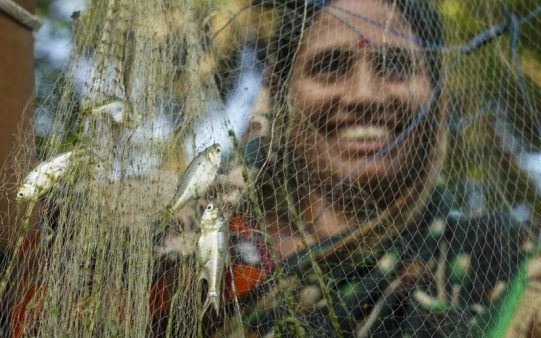
Fish Farmers Intervention: We Need to Scale Up Climate Innovations for Aquaculture Resilience
Asia: Climate change is unfolding a crisis that impacts small-scale fish farmers deeply, but Climate Information Services offer pragmatic solutions.
Read More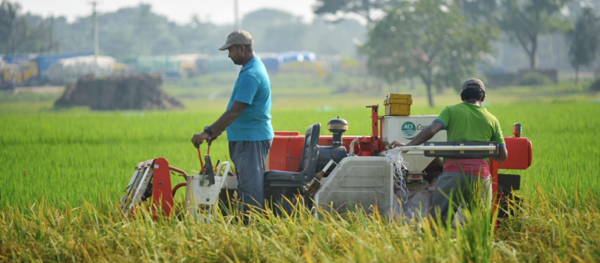
How Technology is Bridging the “Yield Gap” and Bringing Youth into Agriculture
Asia: Access to agricultural technology can attract young people to agriculture and transform rural economies.
Read More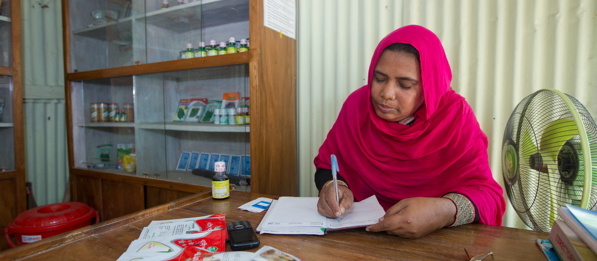
#FillTheGap! Joining up women for a common goal in Bangladesh
Asia: When Jahanara Begum started out as a Farm Business Advisor (FBA), she faced negative comments and scepticism from her family and community but she proved her doubters wrong.
Read More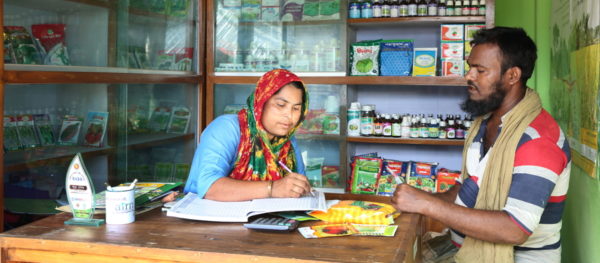
Alexis Ellicott: Bringing Gender Parity to the Agricultural Inputs Sector
Asia: CNFA Chief of Party on the USAID/Agro-Inputs Project tells Farming First how women are being empowered to enter into the male-dominated sector.
Read More
Can Fertilizers Help Us Mitigate Climate Change?
Asia: Chief Program Officer at the International Fertilizer Development Cente outlines the ways that sustainable fertilizer use can combat climate change.
Read MoreFarmer Outreach Boosts Crop Yields and Income
Asia: For millions of farmers in Bangladesh, increasing crop yields and boosting income is a struggle amid challenges such as lack of access to technology, post-harvest losses, financing and natural calamities. As most farmers know little about using crop protection products responsibly, pollution of the environment has been a common problem in rural Bangladesh. Mizanur Rahman, […]
Read MoreClimate Change Risks and Food Security in Bangladesh
Asia: In the last two decades, an ever-increasing frequency of floods, droughts and cyclones have caused extensive economic damage and have impaired livelihoods in Bangladesh. Agriculture, a key economic sector accounting for nearly 20 per cent of GDP and 65 per cent of the labour force, is greatly at risk. Adapting to and mitigating the effects […]
Read More