
Tag: food security


COP28 is a Chance for Businesses to Walk the Talk on Food and Climate
Global: Businesses working together to address innovative measures to achieve food security and climate change are crucial at COP28.
Read More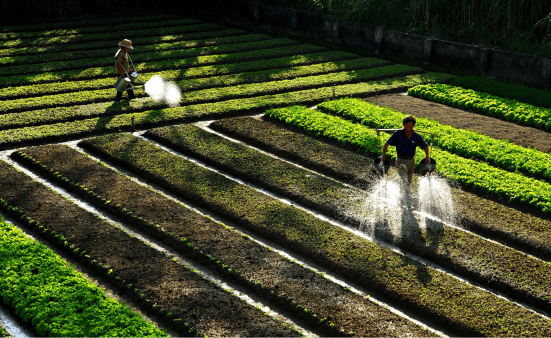
Hidden Costs of Global Agrifood Systems Worth at Least $10 Trillion
Global: FAO's groundbreaking analysis of agrifood systems reveals a staggering $10 trillion annually, urging global action for transformative change.
Read More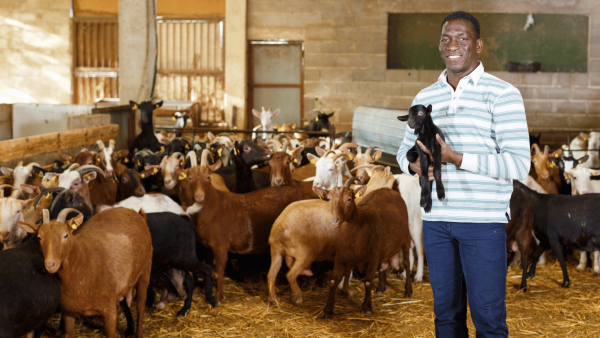
Why Combination Vaccines are Better for Small-scale Livestock Producers
Global: Small-scale livestock producers often battle multiple livestock diseases, causing significant economic losses and harm to animal welfare. GALVmed is funding the development of vaccines.
Read More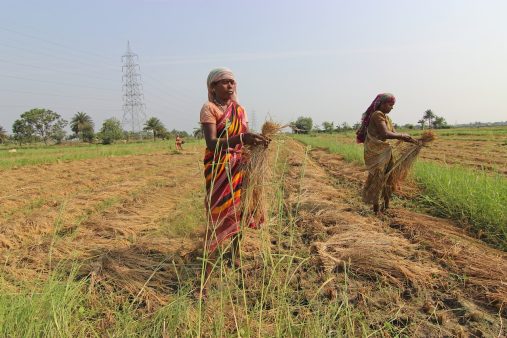
Empowering Women Farmers in India for Equal Opportunities and Growth
Asia: India's pivotal role in the G20, emphasizing women-led development, fosters inclusive growth and climate resilience towards global change.
Read More
Tailor-Made Food and Agriculture Policies: Newly Launched Guide on Taxes, Subsidies, and GM Crops
Global: A new tool empowers governments to enhance food policies, tailored to their unique needs for healthier diets and resource conservation.
Read More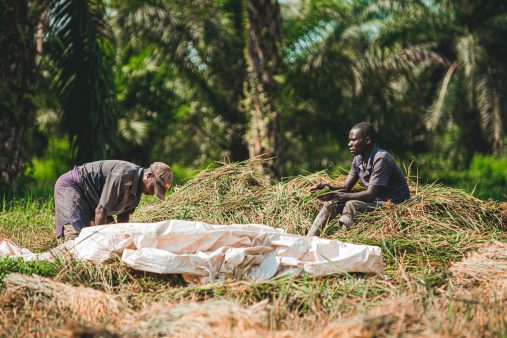
The State and Future of Africa’s Food Systems: A Conversation with Dr John Ulimwengu
Africa & Middle East: Dr John Ulimwengu discusses a new report on Africa's food systems – their current status, the future and opportunities.
Read More
Swaminathan: My Hero, My Mentor
Asia: Dr Channa Prakash highlights the work of M.S. Swaminathan as an agricultural scientist, author of the Green Revolution and more.
Read More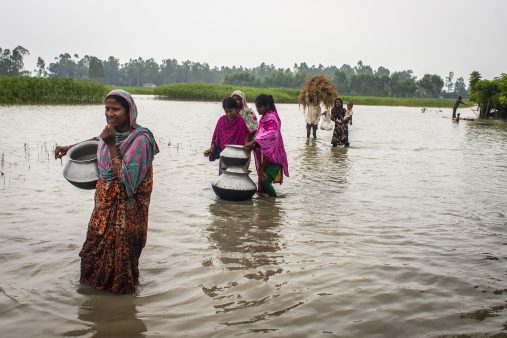
Disasters Have Cost Agriculture $3.8 Trillion Over the Last 30 Years, According to a New FAO Report
Global: A new FAO flagship report entitled “The impact of disasters on agriculture and food security” brings the first-ever global estimation of the impact of disasters on agricultural production focused on crops and livestock.
Read More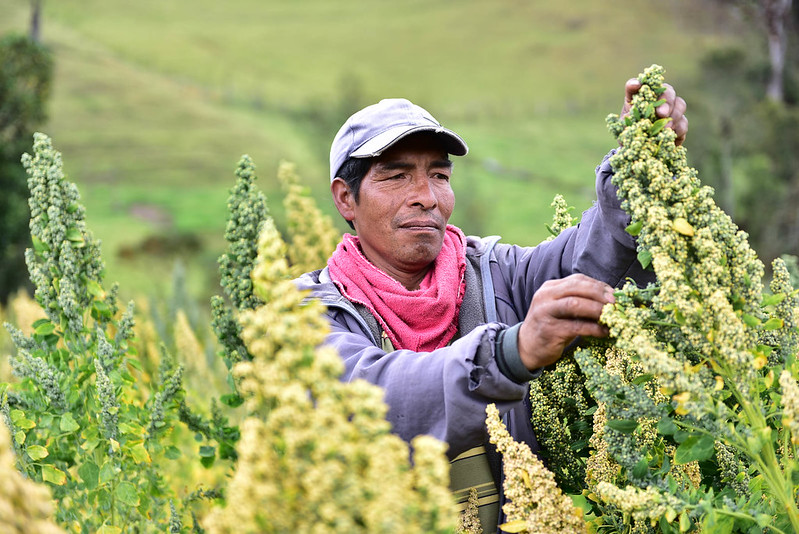
Realising the Potential of Neglected Crops in Latin America
Latin America & the Caribbean: Neglected crops can help improve livelihoods and nutrition, while reducing the environmental impacts of food production across Latin America.
Read More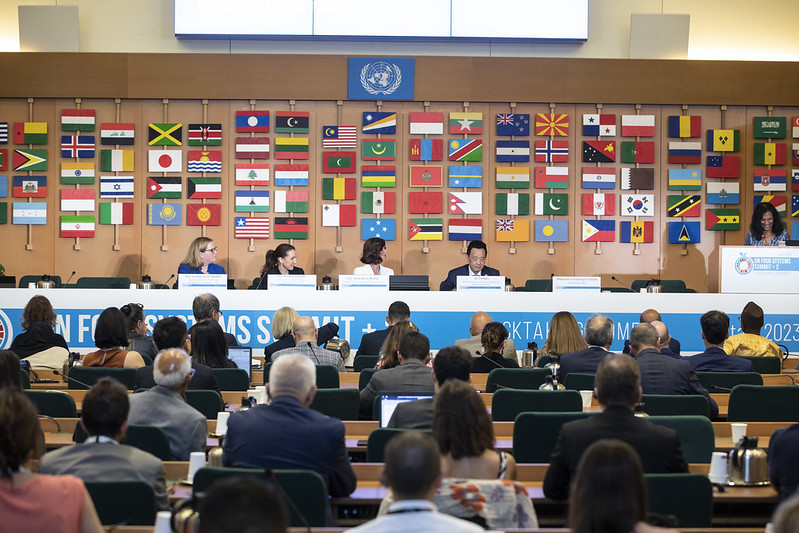
Science, Technology and Innovation Approaches Paving the Way Forward for Food Systems Transformation
Global: UN Food Systems Summit +2 Stocktaking Moment recognised the importance of science, technology and innovation approaches as evidence-based guides to shape national and sub-national food systems transformation.
Read More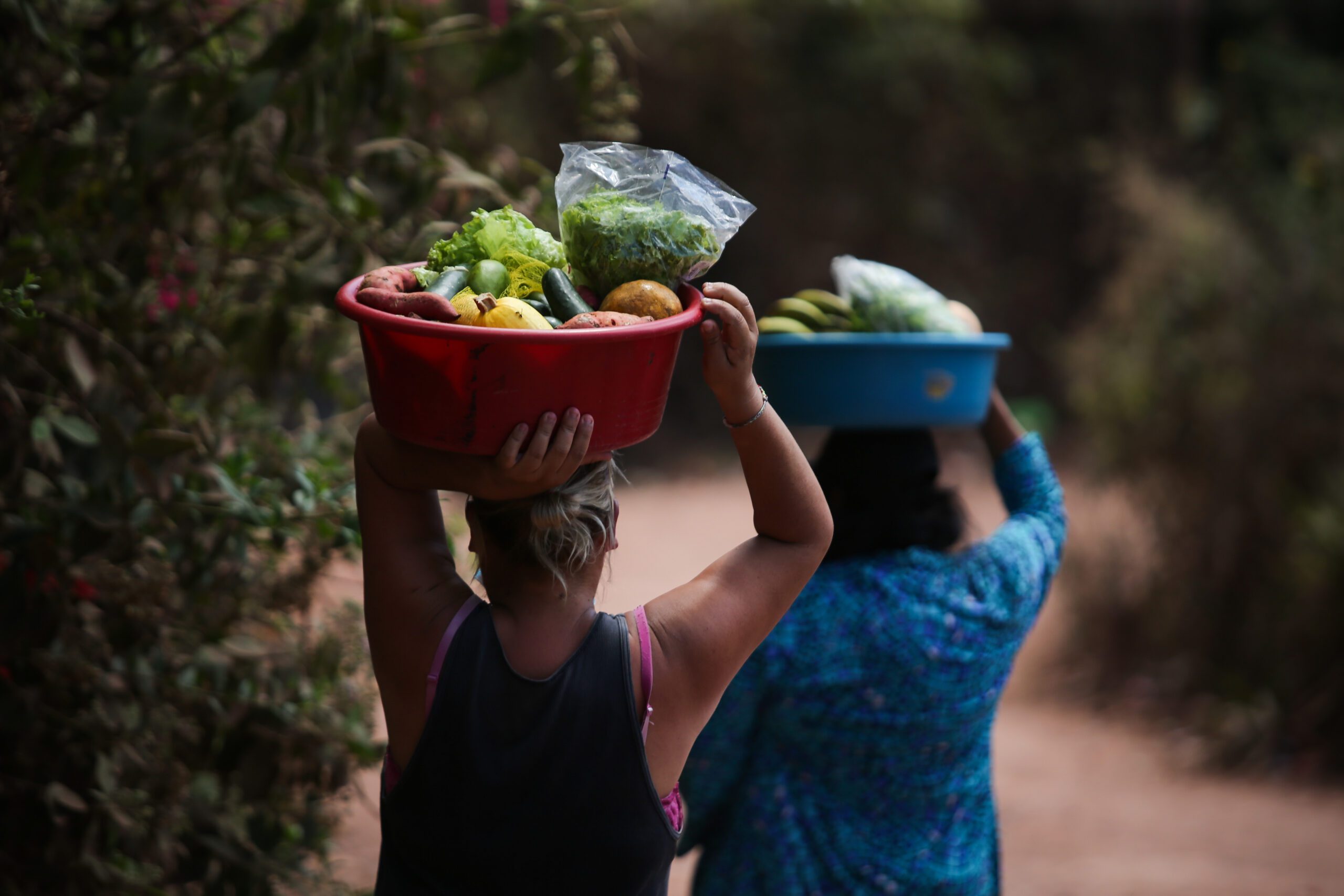
Food Banks Respond to Crises by Serving 32 Million People in 2022
Global: The Global FoodBanking Network's (GFN) annual network survey has revealed that GFN members connected more than 32 million people to food in 2022.
Read More
122 Million More People Pushed into Hunger since 2019 due to Multiple Crises, Reveals UN Report
Global: Latest research shows around 735 million people currently facing hunger, compared to 613 million in 2019.
Read More