
Tag: ifdc

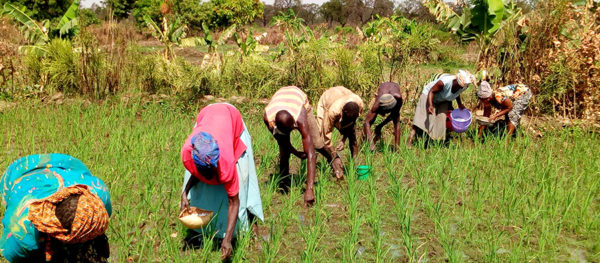
Agroecology in Action: Building Healthier Soils and a Healthier Planet
Northern America: Dr. J. Scott Angle, CEO of IFDC, discusses how Integrated Soil Fertility Management can help soils to stay healthy and grow the food our planet requires both now and in the future.
Read More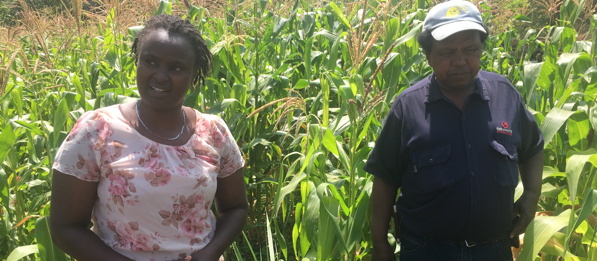
#FillTheGap! Scaling up equality in Kenya
Africa & Middle East: With the help of IFDC, Beatrice Gichuru is setting the standard for equality in her area by proving that a woman can truly succeed with or without a husband.
Read More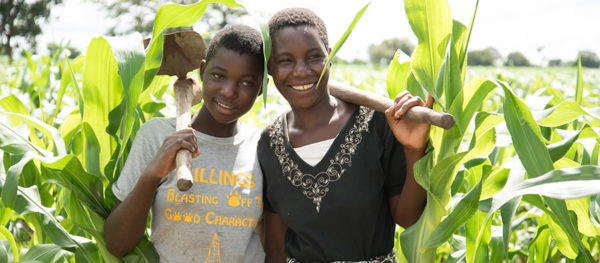
International Women’s Day: Eight Women Who Have Filled the Gender Gap in Agriculture
Africa & Middle East: Oumou Camara blogs for Next Billion, sharing the stories of eight extraordinary women that have succeeded in bridging the gender gap in agriculture.
Read More
Helping Farmers Earn More at Less Cost Through Fertilizer Use Efficiency
Global: Dr. Scott J. Angle, President and CEO of IFDC explains how farmers can keep their costs low and their yields high through efficient fertilizer use.
Read More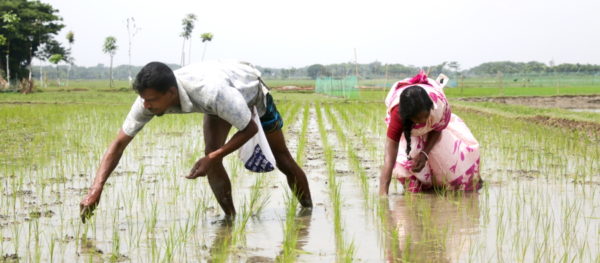
Can Fertilizers Help Us Mitigate Climate Change?
Asia: Chief Program Officer at the International Fertilizer Development Cente outlines the ways that sustainable fertilizer use can combat climate change.
Read More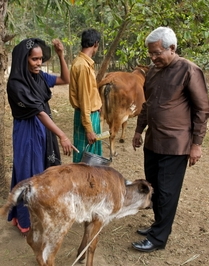
14 Ways Agriculture is Reducing Poverty
Global: To to warm up for the World Food Prize giving in Iowa next month, we examine how our supporters are using agriculture as a means to empower the poorest.
Read MoreSupporting Smallholder Cassava Farmers in Nigeria
Africa & Middle East: As part of GCARD 2010, Farming First hosted a session entitled ‘Better Benefiting the Poor through Public-Private Partnerships for Innovation and Action.’ Within the discussions, our panel of experts addressed several case studies that present different ways that partnerships have helped to empower smallholder farmers around the world. Scott Mall – International Fertilizer Development Center […]
Read More