
Tag: India

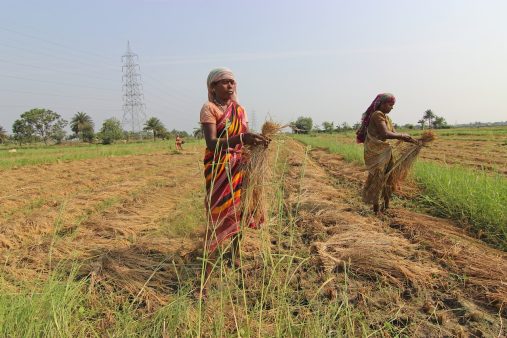
Empowering Women Farmers in India for Equal Opportunities and Growth
Asia: India's pivotal role in the G20, emphasizing women-led development, fosters inclusive growth and climate resilience towards global change.
Read More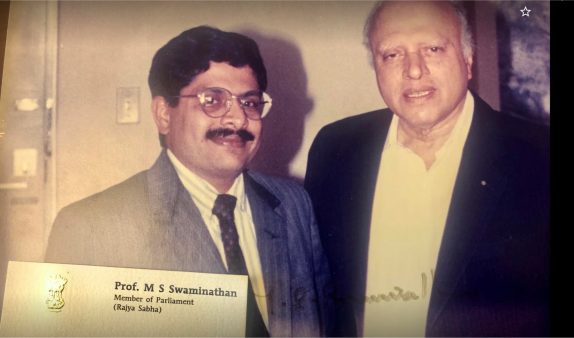
Swaminathan: My Hero, My Mentor
Asia: Dr Channa Prakash highlights the work of M.S. Swaminathan as an agricultural scientist, author of the Green Revolution and more.
Read More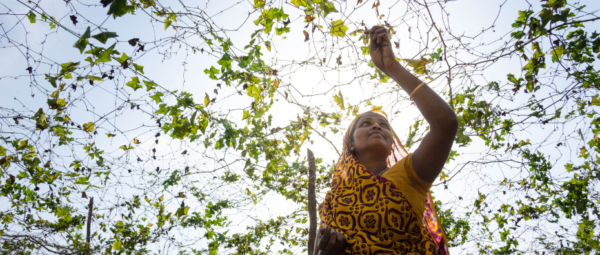
Building the Resilience of Smallholder Women Farmers in India
Asia: Empowering smallholder women farmers in India in agriculture.
Read More
Solving The Water Crisis by Saving Money in Agriculture
Asia: Creative solutions in the Indian agriculture sector have been shown to save water, energy and money in the face of a national water crisis.
Read More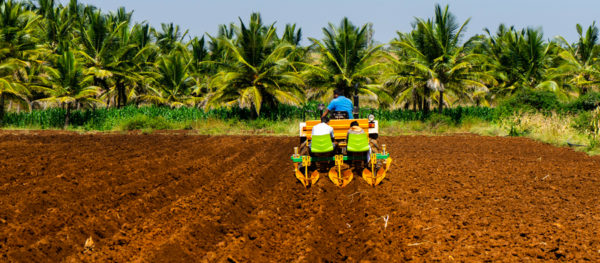
Two Innovations Transforming India’s Potato Sector
Asia: New innovations helping to make farming processes in India more sustainable and efficient.
Read More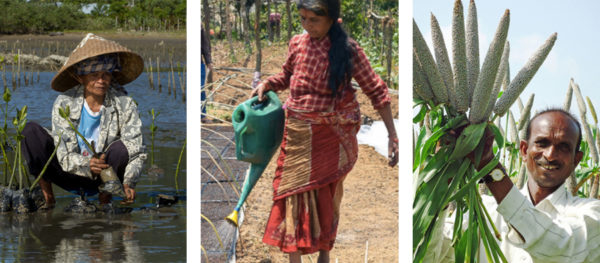
10 Ways Agriculture is Improving Lives in Asia
Asia: We take a trip to Asia to learn about the innovative projects Farming First supporters are working on all over the continent to improve food security and farmers’ lives.
Read More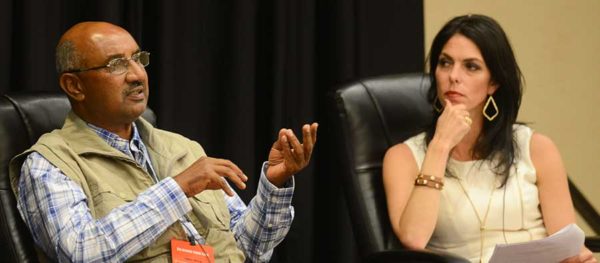
Video: Feeding India with Finite Resources
Asia: We ask an Indian farmer what he sees as the way forward to feeding India's one billion plus population with dwindling resources.
Read More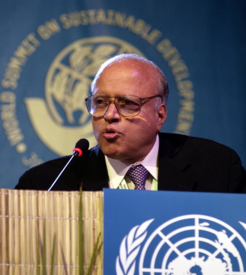
Video: Beyond Borlaug – New Priorities for Agriculture
Global: Farming First interviews the first winner of the World Food Prize on how research priorities have changed since Dr. Borlaug's day.
Read More
Prabhu Pingali: Women’s Groups as Conduits Towards Resilient Communities
Asia: Our guest author, Prabhu Pingali, Professor of Applied Economics & Director of the Tata-Cornell Agriculture & Nutrition Initiative at Cornell University, continues our series of blog articles on resilience published in partnership with the International Food Policy Research Institute (IFPRI) ahead of the conference “Building Resilience for Food and Nutrition Security” 15-17 May 2014. Women’s Self-Help Groups (SHGs) are […]
Read More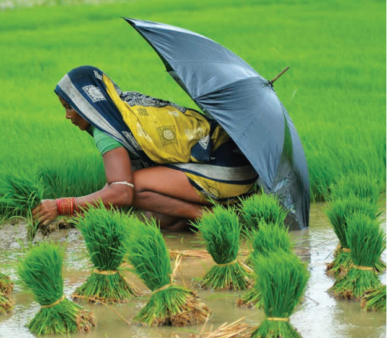
Climate Smart Agriculture: Stories of Success
Global: A series of success stories of climate smart agriculture in action, has been released by the Technical Centre for Agricultural and Rural Cooperation (CTA) and the CGIAR Research Program on Climate Change, Agriculture and Food Security (CCAFS) to demonstrate the varied ways climate smart agriculture can take shape. In an effort to inspire future policies and investments for […]
Read MoreImproving Harvests Through Integrated Pest Management
Asia: Chili farmers in Andra Pradesh used to lose up to 40 percent of their harvest to pest infestations. With poor quality crops, farmers failed to secure high prices in the market. In addition, excessive use of crop protection products resulted in high pesticide residue levels in produce, compromising food safety and risking rejection for export. […]
Read More