
Tag: Uganda

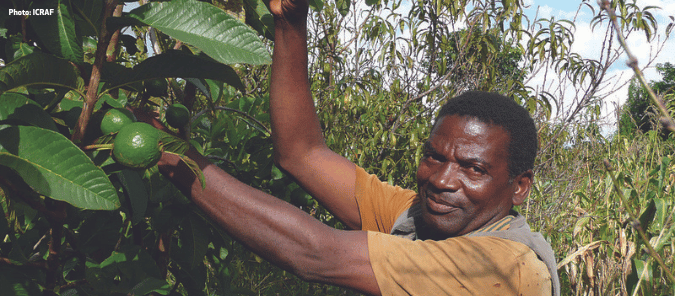
Fruit Trees in East African for Nutrition and Resilience
Africa & Middle East: Fruit trees can help low-resource communities improve nutrition and climate resilience.
Read More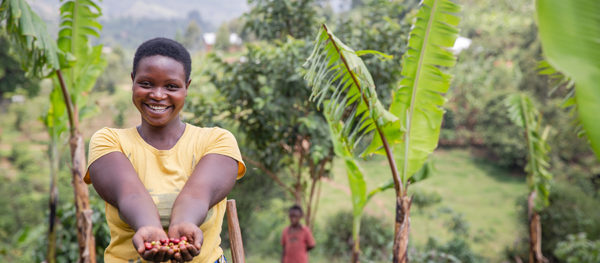
Women and Youth Take on “Man’s Crop” Coffee in Uganda
Africa & Middle East: Access to land and inputs can include women and youth in Uganda's coffee boom.
Read More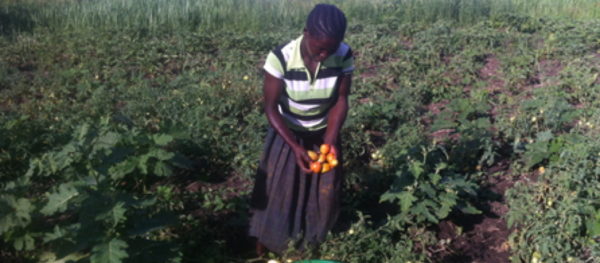
How Young Women Can Find Opportunities in African Agriculture
Africa & Middle East: Jennifer, a young Ugandan mother, faced bleak prospects after her husband passed away, but STRYDE has helped open up her agricultural opportunities.
Read More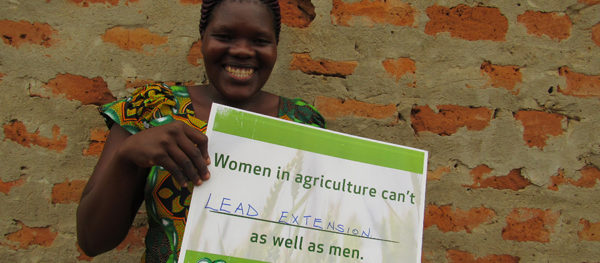
#FillTheGap! Sowing the seeds of equal access to resources in Uganda
Africa & Middle East: Nancy Adong was recruited as a community-based trainer in Northern Uganda and took charge of two farmer groups, winning her newfound confidence, leadership skills and respect.
Read More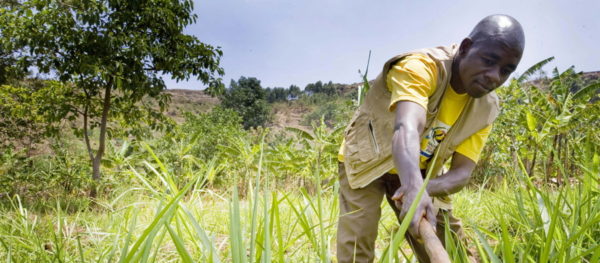
Lawrence Biyika Songa: The Cost of Climate Change for Ugandan Farmers
Africa & Middle East: Uganda’s representative to the United Nations climate talks outlines the steps he recommends for successful adaptation to climate change
Read More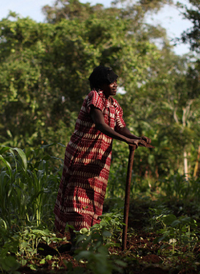
Video: Stepping Up Agricultural Production in Uganda
Africa & Middle East: Farming First TV talks to the President of the Uganda National Farmers Federation on priorities for Ugandan agriculture.
Read More
: The voice of a female farmer
Africa & Middle East: Today, in the lead up to International Women’s Day on 8th March, Farming First captures the voice of a female smallholder farmer who highlights the challenges still faced by women each day as they strive to provide nutritious food for their families in Uganda. Rose Akaki rears cattle for beef and grows maize, both of […]
Read More